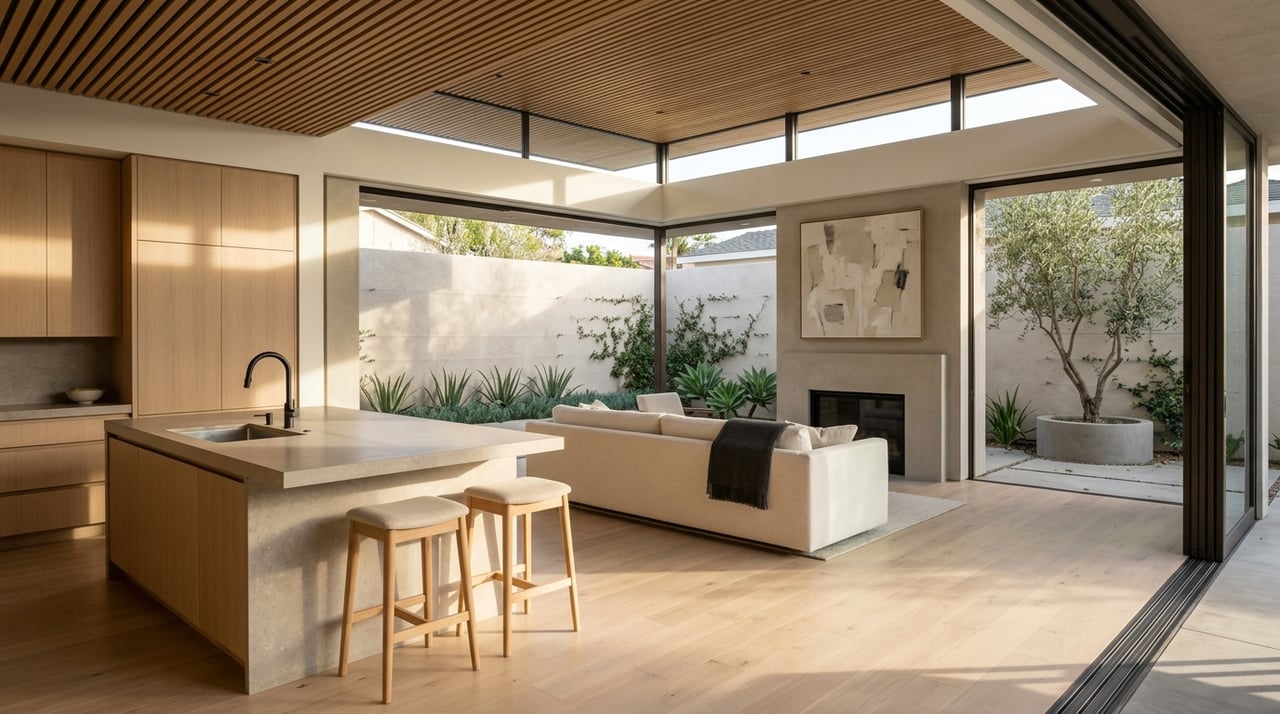
What Sellers Can Expect When Listing a La Jolla Luxury Home
April 16, 2026
April 16, 2026
Selling a luxury home in La Jolla is rarely as simple as putting a sign in the yard and waiting for offers. When your property sits in one of coastal San Diego’s most valuable markets, buyers tend to look closely at pricing, presentation, disclosures, and condition from the very beginning. If you are preparing to list, it helps to know what the process really looks like before your home goes live. Let’s dive in.
La Jolla is firmly in luxury territory, and the numbers help explain why careful planning matters. In March 2026, detached homes in La Jolla had a median sales price of $3,375,000, with 48 days on market, 97.7% of original list price received, 83 homes for sale, and 3.6 months of inventory, according to the La Jolla market data from SDAR.
That pricing level sits well above the San Diego metro luxury threshold. Realtor.com’s March 2026 luxury report placed the 90th-percentile luxury entry point for San Diego-Chula Vista-Carlsbad at $2,872,285, compared with a national luxury threshold of $1.25 million.
What does that mean for you as a seller? It means your listing will likely attract buyers who are informed, selective, and quick to compare your home against other premium options. In a market like La Jolla, strong results usually come from front-loading the work rather than rushing to market.
Luxury sellers sometimes assume there is more room for trial-and-error pricing, but the data suggest otherwise. In March 2026, La Jolla detached homes sold at an average of 97.7% of original list price, which points to some negotiation room, but not much tolerance for pricing that misses the mark.
Broader San Diego data support that same idea. Realtor.com’s February 2026 San Diego market report showed a 34-day median time on market and 13.6% of homes taking price cuts. Even in a premium coastal market, pricing correctly at launch can help protect momentum and buyer confidence.
A thoughtful pricing strategy typically looks at recent comparable sales, current competition, property condition, and how your home will be positioned visually and narratively. In luxury real estate, presentation and price work together. One without the other can weaken your launch.
Before your home is marketed publicly, you should expect a thorough review of its condition and visible features. Under California Department of Real Estate guidance, listing and selling brokers are required to perform a reasonably competent and diligent visual inspection of accessible areas and disclose material facts that may affect value, desirability, or intended use.
That does not mean your home has to be perfect. It does mean that visible issues, deferred maintenance, and other material facts need to be addressed honestly and early. In the luxury market, complete information often helps build trust with serious buyers.
This stage may also help you decide where pre-listing improvements make sense. If there are cosmetic updates, staging opportunities, or repairs that could improve first impressions, this is when those decisions are usually made.
One of the biggest surprises for some sellers is how document-heavy a California listing can be. For most one-to-four unit resales, the Transfer Disclosure Statement, or TDS, is required and should be delivered as soon as practicable before title transfer.
Timing matters here. If the TDS is delivered after an offer has already been executed, the buyer may have 3 days to terminate if delivered in person or 5 days if delivered by mail. That is one reason many well-prepared luxury listings aim to assemble disclosures before the home hits the market.
You may also need a Natural Hazard Disclosure Statement, which covers designated hazard zones such as flood, dam-inundation, and very high fire hazard areas. A third-party consultant can prepare that report, but the duty to deliver it still remains.
If your La Jolla property was built before 1978, federal law also requires lead-based paint disclosures. That includes disclosure of known lead hazards, any available records, an EPA pamphlet, and a 10-day opportunity for the buyer to conduct an inspection.
If the property is part of a condominium or other common-interest development, you should also expect additional HOA-related disclosures. These may include governing documents, budget and reserve information, and delinquent assessment details before closing.
Not every luxury listing needs a full renovation before it goes on the market. In many cases, the goal is to identify the updates that improve marketability without over-improving the property.
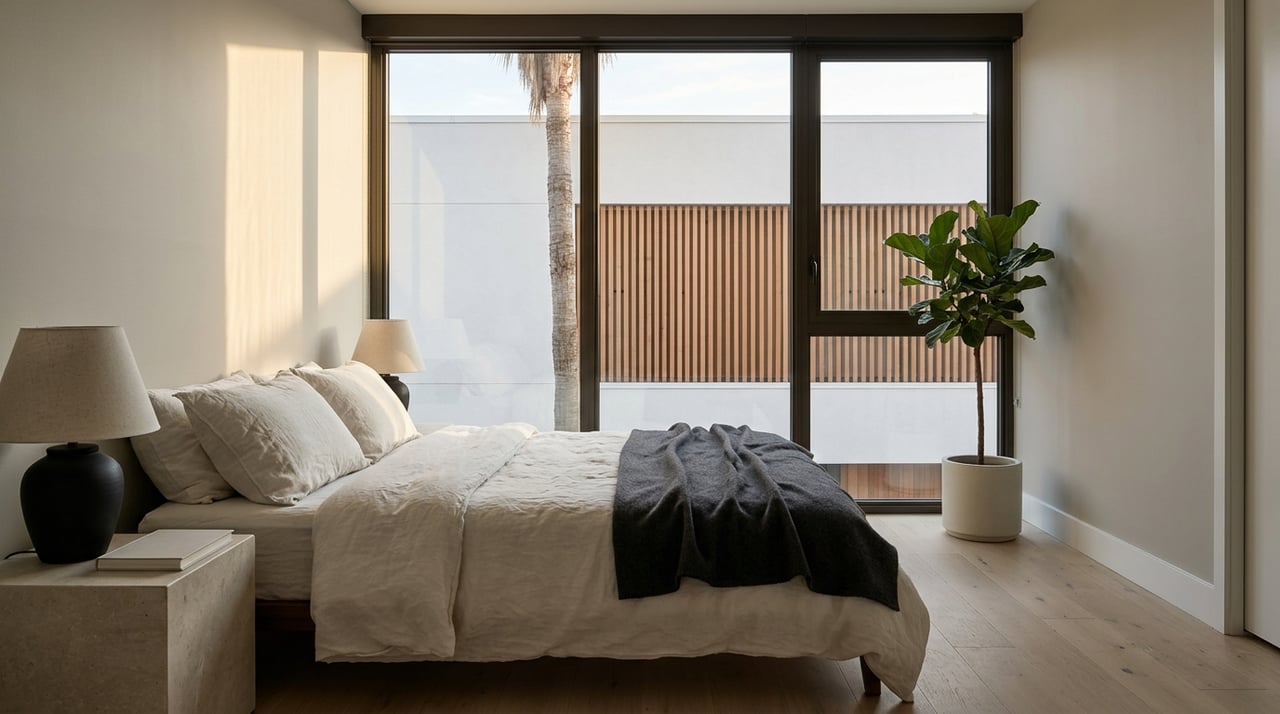
That could include painting, flooring, cosmetic repairs, lighting updates, landscaping refreshes, or staging support. According to the 2025 NAR Profile of Home Staging, 83% of buyers’ agents said staging made it easier for buyers to visualize a future home.
That same report found buyers’ agents considered photos (73%), physical staging (57%), and videos (48%) among the most important presentation tools. The rooms most commonly staged were the living room, primary bedroom, and kitchen.
For sellers who want to improve presentation before listing, Kathleen Westwood can offer access to Compass Concierge, which fronts the cost of eligible home-improvement services with zero due until closing. That can be especially helpful if you want to elevate the home’s presentation without paying those costs upfront.
In La Jolla’s luxury market, a strong launch is usually built in stages rather than all at once. A practical framework is to think in terms of a pre-market prep phase, a controlled introduction phase, and a full public launch.
During pre-market prep, the focus is on repairs, disclosures, staging, photography, and pricing. This is the groundwork that helps everything else feel polished and credible once buyers begin paying attention.
The controlled introduction phase may involve tools such as Compass Private Exclusive or Coming Soon marketing, which can help generate early interest before the listing appears on the public MLS. For some sellers, this creates a more measured rollout and allows buyer feedback to develop in a more private setting.
The public launch is when the home is fully presented to the broader market with professional visuals, a clear pricing strategy, and a complete story about the property. In luxury real estate, that first public impression often carries significant weight.
Once your listing is live, expect buyers to study the details. At this price point, showings are not just about atmosphere. Buyers are likely to review condition, disclosures, comparable sales, and overall value very carefully.
That is why showing readiness matters. Clean presentation, coordinated access, and fast responses to buyer questions can help maintain momentum once the property is active.
Luxury showings also tend to work best when they are thoughtfully scheduled. Depending on your situation, that may mean private appointments, limited showing windows, or a more curated flow that protects your privacy while still allowing qualified buyers enough access to evaluate the home.
In a market where sellers received 97.7% of original list price on average in March 2026, you can expect negotiation, but likely within a relatively narrow band when the home is priced correctly. Overpricing, however, can lead to slower activity and more pressure to adjust later.
Buyers may also negotiate around inspection findings, repair requests, or credits. If your disclosure package is complete from the beginning, those conversations are often more straightforward because expectations were set early.
For condo or HOA properties, negotiation may include additional review of association budgets, reserves, governing documents, and assessment information. These details can affect buyer comfort and timing during escrow.
One of the clearest patterns in luxury listings is that the smoothest closings usually start with the strongest preparation. When pricing is grounded in the market, disclosures are assembled early, and the home is launched with care, buyers tend to feel more confident moving forward.
That is especially important in high-value transactions, estate-related sales, and long-held family properties where accuracy and discretion matter. A controlled process can reduce surprises, support cleaner negotiations, and help preserve value.
For many La Jolla sellers, the real expectation is this: listing successfully is less about simply going on the market and more about creating a launch that feels complete, credible, and professionally managed.
If you are considering selling a luxury home in La Jolla, working with an advisor who understands both the local market and the details behind a high-value listing can make the process far less stressful. To request a confidential consultation and home valuation, connect with Kathleen Westwood.
If you're looking for a partner who combines local expertise with a passion for helping people, please don't hesitate to reach out. I'm ready to assist you every step of the way.