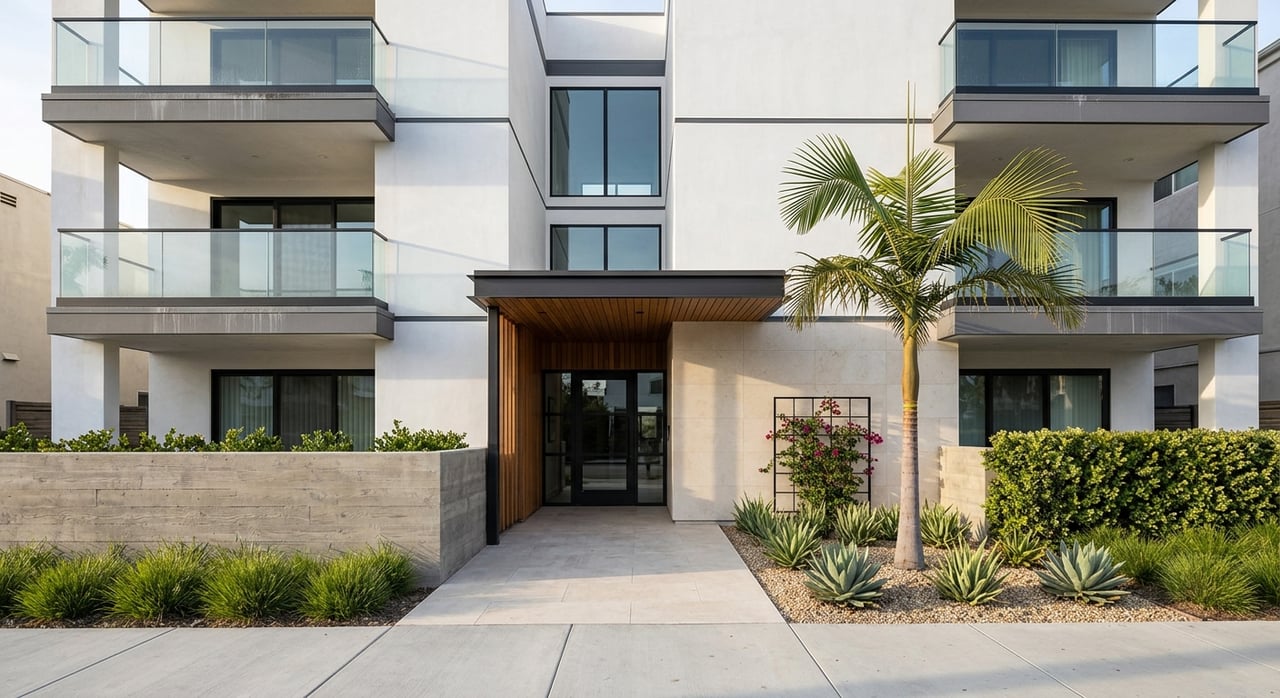
Pacific Beach Condo Investment: How to Evaluate Wisely
April 23, 2026
April 23, 2026
Pacific Beach can look like an easy yes for a second home or rental condo, but the real answer depends on how you plan to use it. If you are drawn to the beach lifestyle, rental income potential, or long-term value of coastal real estate, it is worth slowing down and checking the details before you buy. In Pacific Beach, the best condo is not just about the view or price point. It is about matching your goals with the building rules, city regulations, and the numbers. Let’s dive in.
Pacific Beach sits along San Diego’s mid-coastal region, close to both the Pacific Ocean and Mission Bay. According to the City of San Diego community plan, it is a primarily residential coastal community, and most of the area was built out after 1930. That matters because Pacific Beach is not a major new-construction market. In many cases, value comes from scarcity, location within the neighborhood, and the condition of the specific building.
For second-home buyers, that built-out character can be appealing. You are often buying into an established coastal setting rather than waiting on future development to shape the area. For rental-minded buyers, it also means each condo should be evaluated on its own merits, including parking, views, updates, HOA health, and ease of resale.
Pacific Beach pricing is high, but the exact number varies by source and timing. Realtor.com reported a median home price of $1.599 million, 239 rental listings, a median rent of $3,450, and 49 days on market in October 2025. Redfin showed a March 2026 median sale price of $1.495 million and 31 days on market, while Zillow’s home value index placed the typical home value at $1.384 million as of March 31, 2026.
These numbers are not identical because they measure different things. The takeaway is simple: average neighborhood data can help you frame the market, but it should not replace unit-specific analysis. In Pacific Beach, two condos with similar square footage can perform very differently based on building condition, HOA finances, and legal rental use.
Before you compare listings, define the role the condo will play in your life. That one step can save you from pursuing properties that do not fit your actual goals.
If your main goal is personal enjoyment, Pacific Beach may offer a lower entry point than some nearby coastal areas while still giving you close access to the beach lifestyle. You may care more about walkability, parking, storage, views, and lock-and-leave convenience than maximizing rental revenue.
In that case, your due diligence should focus on how easy the condo will be to own over time. Look closely at HOA reserves, insurance, maintenance history, and whether the building fits the kind of use you want for weekends, seasonal stays, or longer visits.
If your goal is income, you need to be much more precise. Pacific Beach has real rental demand, but not every condo is suitable for every rental model. A property that works well for 31-plus-day leases may not be allowed for short-term stays, even if the location feels perfect for vacation use.
That is why the legal use path matters just as much as the location. You should confirm city rules, HOA rules, tax obligations, and realistic rental assumptions before relying on projected income.
San Diego’s visitor economy remains an important backdrop for any coastal rental purchase. The San Diego Tourism Authority reported that San Diego County welcomed about 32.4 million visitors in 2025, with estimated visitor spending of $14.4 billion. The same report noted 74.2% hotel occupancy and 17,366 homes available to guests on Airbnb and VRBO countywide, which tells you demand is strong but competition is also broad.
In Pacific Beach itself, rental signals vary by provider. Realtor.com showed a median rent of $3,450 with 239 rental listings in October 2025. RentCafe reported an average rent of $2,854 in March 2026, while Zumper reported a median rent of $2,972 in April 2026.
The spread between sources is a good reminder to underwrite conservatively. If you are buying with rental income in mind, it is smart to use cautious assumptions for rent, vacancy, management, and ongoing costs rather than depending on a best-case scenario.
For many buyers, this is the most important section of the analysis. In the City of San Diego, renting a property for less than one month requires both a TOT certificate and a short-term residential occupancy license under the city’s STRO rules, according to the city FAQ.
For Pacific Beach, whole-home short-term rentals generally fall under Tier 3, not Tier 4, which applies to Mission Beach. The city’s FAQ also says a host may hold only one STRO license at a time. As of April 10, 2026, Tier 3 had 880 licenses remaining, while Tier 4 had none.
Just as important, the city states that whole-home STRO stays of 21 to 89 days per year are not allowed, and Tier 3 and Tier 4 hosts must use the license at least 90 days per year to keep it. If you are imagining light personal use plus occasional vacation rental income, you need to verify that your intended use actually fits the rules before you make an offer.
If the condo will be a true second home, Tier 2 usually will not fit. The City of San Diego STRO page ties Tier 2 to a primary residence occupied at least 275 days per year and allows up to 70 days of whole-home short-term rental. That makes a big difference for buyers who assumed they could use a second home occasionally and simply rent it out the rest of the time.
In other words, your personal use pattern is not a side issue. It is central to whether the condo works for your plan.
Even if a condo appears to qualify under city rules, the HOA can still limit what you can do. California Civil Code 4741 limits some HOA rental restrictions, but it also allows associations to prohibit transient or short-term rentals of 30 days or less. You can review the statute here.
That means a Pacific Beach condo may be fine for monthly or longer leasing but still unusable for Airbnb-style stays. This is one of the most common disconnects buyers face when evaluating coastal condos.
You should request and review the following before you commit to a rental strategy:
The same law also says an association cannot adopt or enforce a rental cap below 25% of the separate interests. Still, that does not guarantee your preferred rental plan will work in a given building. The governing documents remain essential.
A condo can look attractive at first glance and still carry financial risk at the building level. Before you rely on projected ownership costs, ask for the association’s latest budgets, financial statements, reserve summaries, insurance information, and any known special assessments.
Under California Civil Code 5300, annual budget reports must include reserve summaries, reserve funding plans, possible special assessments, loans, and insurance summaries. The same section supports a broader point: you are not just buying four walls. You are also buying into the building’s financial condition and maintenance plan.
This matters even more in a coastal setting, where deferred maintenance, insurance costs, and underfunded reserves can affect both monthly expenses and future resale appeal.
Some buyers compare Pacific Beach with Mission Beach when looking for a coastal condo with income potential. The tradeoff is often lower entry price versus a more tourism-focused asset profile.
According to Realtor.com, Mission Beach had a median home price of $2.695 million and a median rent of $5,294, compared with Pacific Beach at $1.599 million and $3,450. That does not make one market better than the other. It simply highlights that Pacific Beach may appeal to buyers who want coastal access with a lower acquisition cost.
It is also worth noting that Mission Beach whole-home licenses fall under Tier 4, and the city’s STRO program page indicates that application period has closed. For Pacific Beach buyers, Tier 3 remains the relevant whole-home category to evaluate.
If you are evaluating a Pacific Beach condo for a second home or rental, keep your analysis centered on four areas:
Confirm the STRO tier, TOT requirements, and Rental Unit Business Tax obligations. Make sure the city path fits the way you plan to use the property.
Review the CC&Rs, rental restrictions, lease minimums, rental caps, and any signs of active enforcement. A condo that fails this step may not fit your strategy, no matter how strong the location looks.
Study reserves, insurance, maintenance planning, and any current or possible assessments. This is especially important in older coastal buildings where future costs can change your ownership picture quickly.
Use realistic assumptions for HOA dues, management, furnishing, repairs, vacancy, and resale. In a market with mixed rent and price signals, careful underwriting matters more than broad neighborhood averages.
Pacific Beach can be a strong fit for a second-home buyer, a long-term rental owner, or a carefully planned short-term rental strategy. But the right condo is the one where your intended use, the city rules, the HOA documents, and the building finances all align.
That is where a thoughtful, property-by-property review makes a difference. If you want experienced guidance on evaluating coastal San Diego condos with both lifestyle and long-term value in mind, Kathleen Westwood offers a calm, high-touch approach tailored to complex coastal purchases.




If you're looking for a partner who combines local expertise with a passion for helping people, please don't hesitate to reach out. I'm ready to assist you every step of the way.