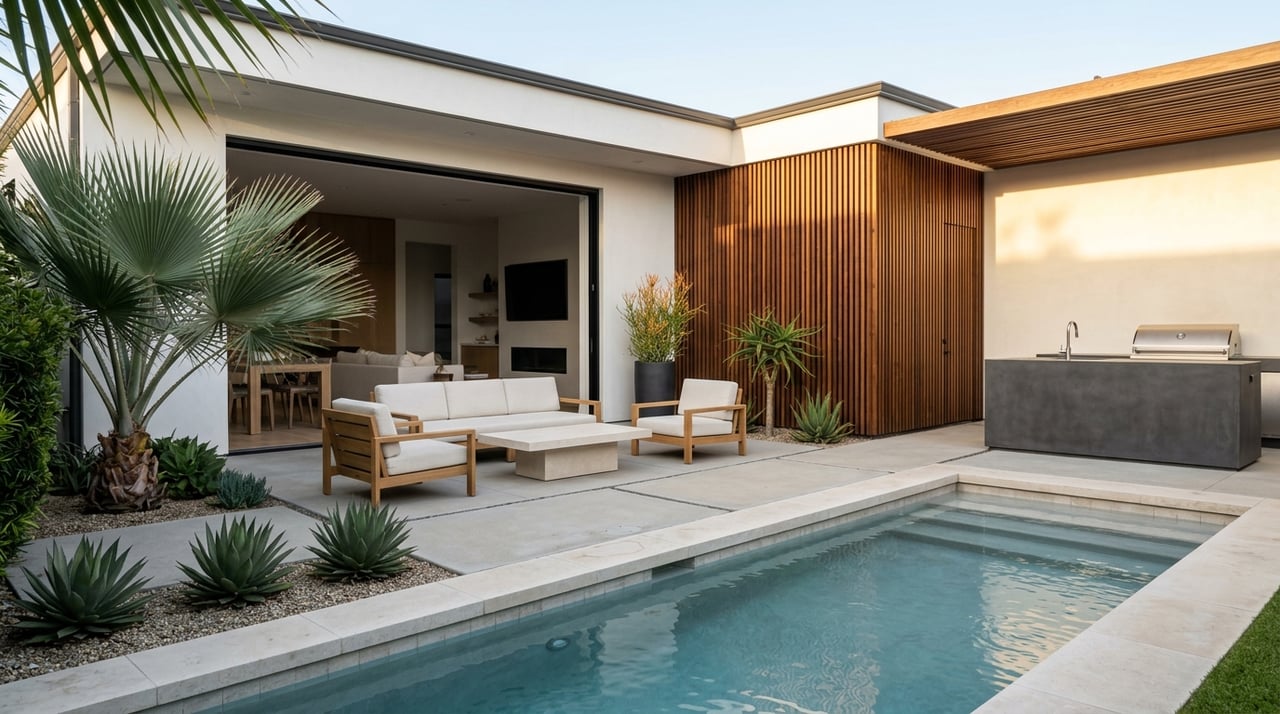
Explore Pacific Beach’s Outdoor Lifestyle and Parks
June 25, 2026
June 25, 2026
If you are drawn to Pacific Beach for more than its shoreline, you are not alone. This part of coastal San Diego functions as a true neighborhood where everyday life often unfolds outside, whether that means a morning walk along the ocean, an afternoon at a local park, or an easy bike ride by the bay. If you are considering a move, this guide will help you understand how Pacific Beach’s parks, paths, and outdoor spaces shape the feel of daily life here. Let’s dive in.
Pacific Beach is a primarily residential community on the western edge of mid-coastal San Diego, bounded by Interstate 5, the Pacific Ocean, Mission Beach and Mission Bay to the south, and La Jolla to the north. The City of San Diego notes that the community has nearly 47,000 residents and 1,500 businesses, which helps explain why it feels like a full neighborhood and not just a visitor destination.
Its setting plays a big role in that identity. Pacific Beach is defined by coastal bluffs, beach frontage, and the bay edge, so outdoor access is woven into everyday routines rather than limited to one major park or civic center. In practical terms, that means where you live within Pacific Beach can noticeably shape how you spend your time outside.
One of the biggest draws in Pacific Beach is the shoreline itself. The City of San Diego describes Pacific Beach as one of the busiest beach areas in San Diego, with an iconic sandy shoreline stretching more than two miles and permanent lifeguard coverage.
For residents, that translates into more than a scenic backdrop. The beach area includes amenities such as surfing, swimming, disabled accessibility, beach wheelchairs, parking, volleyball, a pier, restrooms, showers, fishing, and public transportation. If your version of daily life includes surf checks, sunset walks, or a quick stop at the sand before dinner, Pacific Beach is built around that rhythm.
The Mission Beach-Pacific Beach Boardwalk, also called the Oceanfront Boardwalk, is one of the most defining outdoor features in the area. It spans about 3.5 miles from North Pacific Beach to South Mission Beach, creating a long, continuous route for walking, jogging, biking, and people-watching.
At the north end of the beach, the boardwalk continues along the cliff-top for much of the south end of North Pacific Beach. That gives Pacific Beach a strong sense of connection along the coast. Instead of outdoor activity being tucked away, it stays visible and accessible through much of the community.
Pacific Beach is not only about the ocean side. Mission Bay Park adds a second major outdoor system that broadens how residents move through and enjoy the area.
The city describes Mission Bay Park as the largest aquatic park of its kind in the country. It includes 27 miles of shoreline, 19 sandy beaches, eight official swimming areas, close to 14 miles of bike paths, along with walking paths, boat launches, playgrounds, volleyball, restrooms, and showers.
That bayfront access matters if you want options. Some days call for the energy of the oceanfront boardwalk, while others are better suited to a bike ride or walk along the bay. Having both nearby gives Pacific Beach a flexible outdoor lifestyle that feels easy to use on a regular basis.
While the coastline gets much of the attention, Pacific Beach also has several local parks and recreation spaces that support neighborhood life. City community pages highlight Kate Sessions Park, Palisades Park North and South, Pacific Beach Community Park, and the Pacific Beach Recreation Center as core amenities.
These spaces help balance the visitor activity of the shoreline with places that feel more rooted in local routines. For many residents, they offer the kind of outdoor access that fits into a normal weekday, not just a weekend beach plan.
Kate Sessions Park is one of Pacific Beach’s best-known green spaces. Located on Soledad Road, it is described by the city as a natural amphitheater hillside with views of downtown San Diego and Mission Bay Park.
That combination of open lawn, elevation, and wide views makes it especially appealing for picnics, casual gatherings, and sunset time outdoors. If you value a bluff-top park experience rather than only beach access, this part of Pacific Beach offers a different kind of connection to the landscape.
The Pacific Beach Recreation Center at 1405 Diamond Street adds a more neighborhood-scale layer to outdoor life. According to the city, it includes two lighted outdoor basketball courts, two lighted tennis courts, a lighted multipurpose athletic field, a sand tot lot, gymnasiums, meeting rooms, a weight room, a game room, and a kitchen.
This is the kind of amenity that makes a community feel livable beyond its postcard appeal. It supports sports, recreation, gatherings, and day-to-day activity in a way that complements the beach and bay rather than competing with them.
At the north end of North Pacific Beach, Tourmaline Surfing Park is another important outdoor node. The city says it includes a public parking lot, showers, and restrooms, and that it is heavily used year-round by surfers, kite surfers, and sailboarders.
For buyers who want to be near a well-known access point for ocean activity, Tourmaline helps define the northern edge of Pacific Beach’s outdoor identity. It also reinforces how strongly the community is tied to active coastal use throughout the year.
One of the most useful ways to think about Pacific Beach is by looking at how outdoor access shifts by area. Based on the community’s geography and the locations of its major amenities, daily routines can feel quite different depending on where you live.
If you are near Ocean Front Walk or Crystal Pier, your daily pattern may feel closely tied to beach walks, boardwalk activity, and quick access to the shoreline. If you are closer to Soledad Road, Kate Sessions Park may become more central to your routine. If you are near Diamond or Felspar, the recreation center and community park may be more convenient parts of everyday life.
That does not make one area better than another. It simply means Pacific Beach offers multiple versions of outdoor living, and your ideal fit depends on the rhythm you want.
Another practical advantage is that several outdoor amenities are reachable without driving everywhere. Pacific Beach beach pages list public transportation as an amenity, and the recreation center is served by SDMTS Routes 8, 9, and 27.
For some residents, that added connectivity supports a more flexible routine. You may still use a car, but the ability to reach parks, the boardwalk, or nearby destinations through a mix of walking, biking, and transit adds to the neighborhood’s everyday ease.
When you are buying in a coastal neighborhood, the headline features often get the most attention. But in practice, your day-to-day experience usually comes down to how easily you can use the spaces around you.
In Pacific Beach, outdoor amenities are not an occasional bonus. They are part of how many people structure mornings, weekends, exercise, and social time. Understanding that pattern can help you narrow your search not only by home style or price point, but also by the kind of outdoor routine you want your location to support.
If you are comparing homes in Pacific Beach or other coastal San Diego neighborhoods, it helps to look beyond the property itself. The right location is often the one that matches how you actually want to live, day in and day out.
If you want thoughtful guidance on Pacific Beach and other coastal San Diego neighborhoods, Kathleen Westwood offers a calm, highly personalized approach rooted in long-time local knowledge.

If you're looking for a partner who combines local expertise with a passion for helping people, please don't hesitate to reach out. I'm ready to assist you every step of the way.